CHP operations
When CHP Bottlenecks Become Fuel Supply Problems
How conveyor availability, wagon tipplers, yard movement and maintenance discipline affect fuel continuity beyond the CHP boundary.
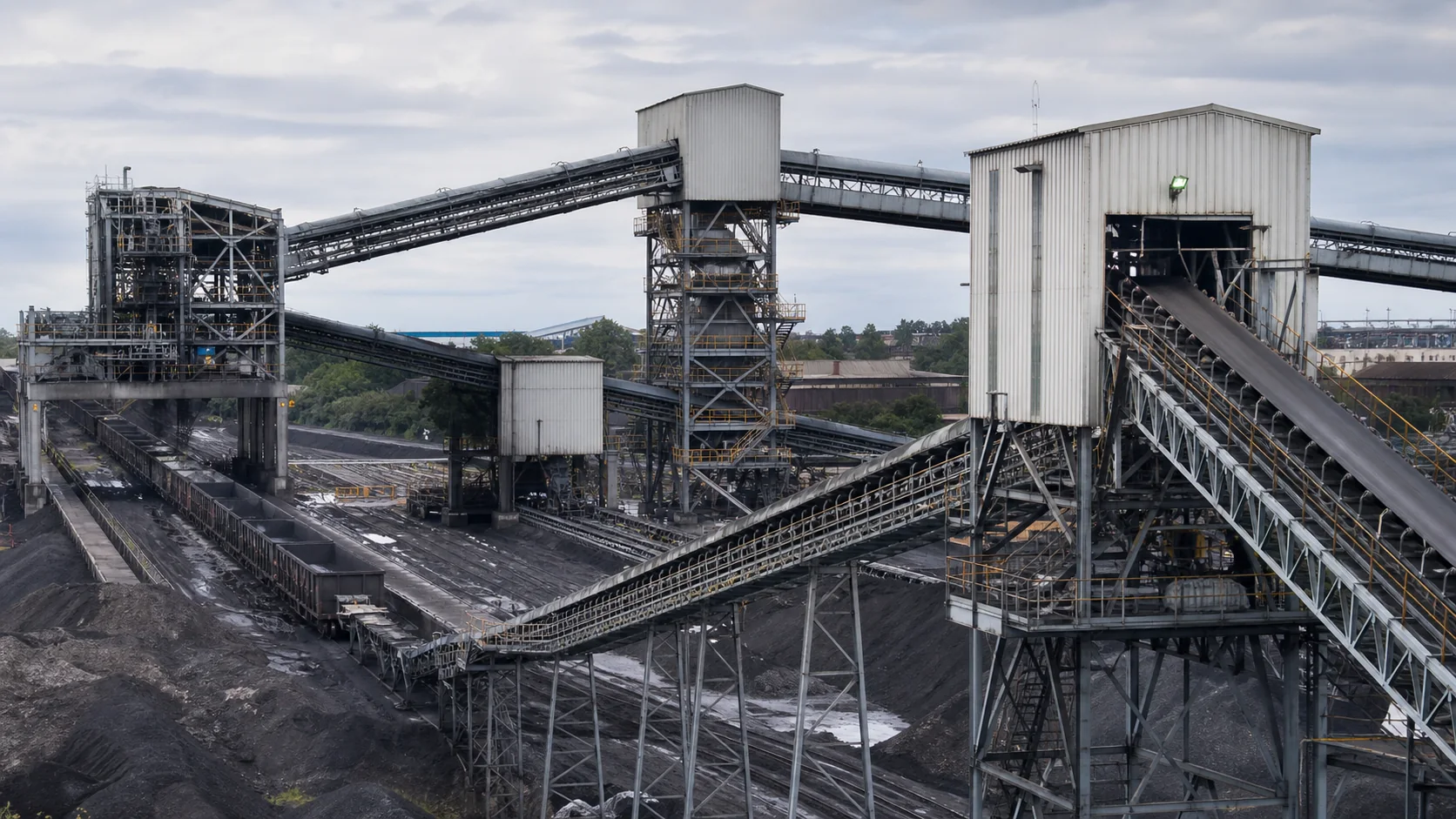
A Coal Handling Plant is sometimes viewed as a plant maintenance area, but its performance can decide whether coal logistics planning succeeds or fails. If wagons, conveyors, crushers, transfer points, stacker-reclaimers, yard movement or ash handling interfaces are unreliable, coal receipt can become a fuel supply problem even when procurement and transport have done their part.
The first sign of a CHP bottleneck is often not a single major breakdown. It may show up as slow unloading, repeated minor stoppages, poor yard clearance, contractor delays, excessive manual intervention, uneven stacking, avoidable spillage or difficulty maintaining a stable feeding rhythm to the plant.
A CHP operations consultant should review the interface between equipment availability and movement planning. Rake or vehicle arrivals must be compared with tippler readiness, conveyor availability, planned maintenance, manpower, contractor deployment, yard capacity and release timing.
The review should also examine whether maintenance discipline is being treated as preventive control or only as breakdown response. In heavy material handling, small recurring stoppages can quietly reduce effective unloading capacity and create pressure in railway siding, road movement and stock management.
The plant-side records matter here. Equipment logs, unloading duration, stoppage reasons, preventive maintenance plans, contractor reports, housekeeping observations and ash handling notes can show whether the constraint is technical, procedural or coordination-related.
Leadership should read CHP performance as part of the fuel chain. When the handling system is weak, the symptom may appear in logistics, demurrage, stock uncertainty or generation pressure. The correction needs to match the actual constraint, not the department where the symptom became visible.